
Why Are My Knees Clicking? A Physiotherapist's Guide to Knee Crepitus
By Mike Wong, Physiotherapist, MScPT, BHK | Physiotherapy in Burnaby, BC
If you have been experiencing the clicking, grinding, or popping sound your knee makes when you walk up stairs or getting up from a chair, you’ve probably wondered about it. Maybe it’s been there for years or it just started happening a bit more from last week. Either way, it gets your attention.
As Physiotherapists at EastWest Physiotherapy in Burnaby, one of the most common things patients ask us about is their knee clicking, also medically known as knee crepitus. The good news is that we have solid research and experience to help us understand what’s actually going on, and more importantly, what you can do about it.
What Is Knee Crepitus?
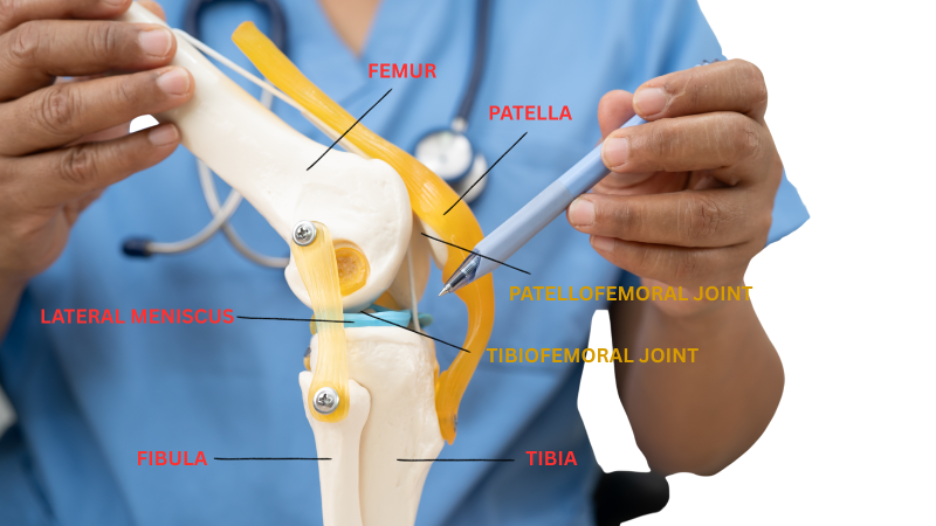
Knee Crepitus is the medical term for that crackling, grinding, or popping sensation you feel or hear in your knee during movement. It can happen when you’re bending your knee, straightening it, going up and down stairs, going up and down in a squat position, and/or getting up from a chair. Crepitus can occur in a variety of places in the knee area, so distinguishing where it comes from and what activities increase the sound improves diagnosis and treatment.
It’s one of the most common things Physiotherapists assess when checking the knee. Research shows it has about 89% sensitivity for detecting knee osteoarthritis, meaning that if a patient has knee osteoarthritis, crepitus is very likely to be present on examination.
But here’s the key important point most people miss: not all knee clicking means something is wrong and that you should be worried!
Two Very Different Types of Knee Clicking
1. Painless Knee Clicking
If your knee clicks or pops but there’s no pain, stiffness, or swelling, you’re likely dealing with what’s called gas cavitation or tribonucleation.
Your knee joint is surrounded by synovial fluid. This is a liquid that lubricates and helps the joints glide smoothly against each other. When the joint surfaces separate quickly (like when you crack your knuckles), tiny gas bubbles form in that fluid. Real-time Magnetic Resonance Imaging (MRI) studies have actually filmed this happening inside joints, and it’s completely harmless.The pop you hear is just gas but not an indication of damage.
Oh good, can I completely write this off?
Not so quick. A large study of nearly 3,500 people from the Osteoarthritis Initiative found that people who reported frequent knee clicking were significantly more likely to develop symptomatic knee osteoarthritis over time. That would include pain in the knee, morning stiffness and swelling being the chief symptoms. The more often the clicking happened, the higher the risk. The odds are higher for those who reported it constantly, compared to those who never experienced it.
So painless clicking isn’t something that should cause you to press the panic button. But it is a good reason to pay attention to your knee health, stay active, and manage your weight if needed.
2. Painful Knee Clicking
If the clicking comes with pain, stiffness, swelling, or a feeling of the knee catching or giving way, that’s a different story. This type of crepitus is usually related to structural changes inside the joint.
Research using MRI has identified the main culprits:
- Osteophytes. These are bony growths that form at the edges of the joint, especially at the kneecap (patellofemoral joint) and outer (lateral) knee compartment. These can form under stress and pressure between the bones in the knee.
- Meniscal tears. The meniscus is a shock-absorbing pad between the upper and lower leg bones (Femur and Tibia). Tears here are the single strongest independent predictor of whole-knee crepitus.
- Medial collateral ligament (MCL) issues. This ligament is on the inner side of the knee and supports medial stability of the knee joint.
- Knee osteoarthritis. The crepitus from this is the most common cause overall, particularly in adults over 45.
Knee osteoarthritis is a condition where the cartilage that cushions the joint gradually breaks down. It builds up over years of wear and tear, and crepitus is often one of the early signs.
What Causes Knee Osteoarthritis?
A few things increase your risk:
- Being overweight or obese (pooled research shows higher odds for developing knee OA)
- Previous knee injuries
- Age over 45
- Family history
- A history of repetitive loading on the knee (certain jobs or sports such as heavy lifting, jumping activities)
The joints most commonly affected are the patellofemoral joint (behind your kneecap and the back of the upper leg bone, causing front knee clicking) and the tibiofemoral joint (where the upper leg bone meets your shin or the lower leg bone).
When Should You See a Physiotherapist in Burnaby?
You don’t need to rush to a clinic every time your knee makes a sound. But book an assessment if you notice:
- Clicking or grinding accompanied by pain, even mild pain
- Morning stiffness that lasts more than 30 minutes
- Swelling around the knee
- A feeling that the knee is catching, locking, or giving way
- Pain that gets worse with activity and better with rest
- Clicking that’s getting more frequent or louder over time
Our physiotherapists can assess the specific source of your symptoms, identify which compartment of the knee is involved, and build a treatment plan tailored to you.
Physiotherapy and Exercise: The Most Important Treatment
This is where the research is very clear: exercise is the single most effective treatment for knee pain and crepitus associated with osteoarthritis. Not injections. Not surgery (except in end-stage cases). So exercise, guided by our Physiotherapists at our clinic.
A 2025 network meta-analysis published in the BMJ reviewing 217 randomized controlled trials and over 15,000 patients, found that aerobic exercise consistently ranked as the top intervention across pain, function, walking ability, and quality of life outcomes. The pain reduction was large.
Here’s what works when broken down by your situation:
If You Have Painful Knee Clicking (OA-Related)
Aerobic exercise is your foundation. Walking, cycling, swimming, and similar low-impact activities all qualify. The key is doing it regularly, at least three times per week for a minimum of four weeks. And don’t worry: research confirms that low-impact exercise does not speed up cartilage breakdown.
Quadriceps and lower limb strengthening is equally important. The muscles around your knee act as shock absorbers. Stronger muscles mean less stress on the joint. Specific exercises include:
- Straight leg raises (lying down, lifting leg to 45 degrees, 3 sets of 10–15 reps)
- Mini squats (shallow, pain-free range)
- Chair stands (sitting to standing, controlled pace)
- Leg press on a machine
- Hip abduction with a resistance band
One retrospective study found that patients who did targeted leg swing and quadriceps strengthening exercises had better pain and function scores at 6 and 12 months compared to those who received a combination of platelet-rich plasma (PRP) and hyaluronic acid injections. That’s worth putting some effort in your exercise routine.
Neuromuscular exercise is another evidence-based option your physiotherapist may recommend. This type of training focuses on balance, coordination, and joint stability rather than pure strength. It’s particularly useful for people whose knees feel unstable or unpredictable. Research shows it’s just as effective as traditional strengthening, with no increased risk of pain flares.
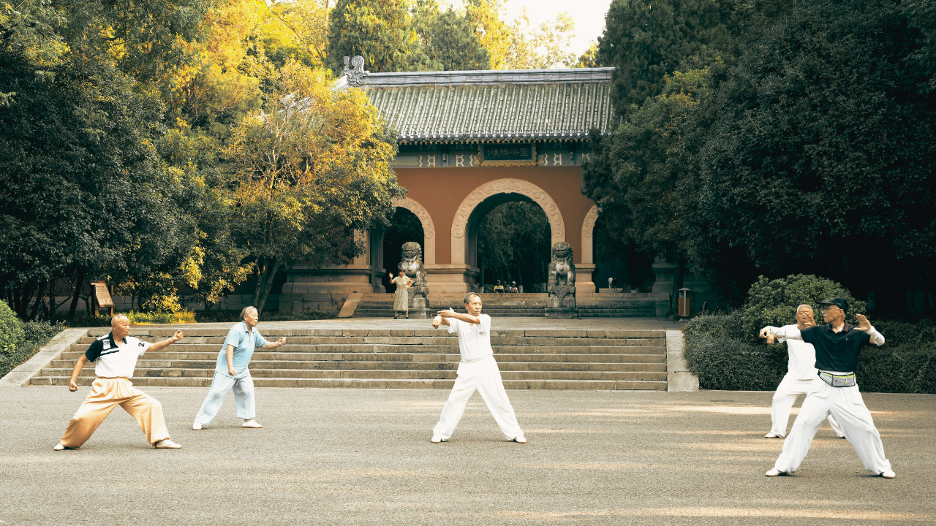
Tai chi has also been studied in randomized controlled trials and shown to produce similar improvements to supervised physical therapy on standard knee OA outcome measures, with added benefits for mental health and quality of life.
Individual supervision matters. Studies show that individually supervised exercise produces significantly greater pain reduction compared to group-based classes. This is why seeing a physiotherapist who can customize your program, rather than just following a generic YouTube video, makes a real difference.
If You Have Behind the Kneecap Clicking (Patellofemoral Pain)
Pain and clicking at the front of the knee, especially in younger adults under 40, often comes from patellofemoral pain syndrome, where the kneecap doesn’t track properly in its groove.
Your physiotherapist will likely focus on:
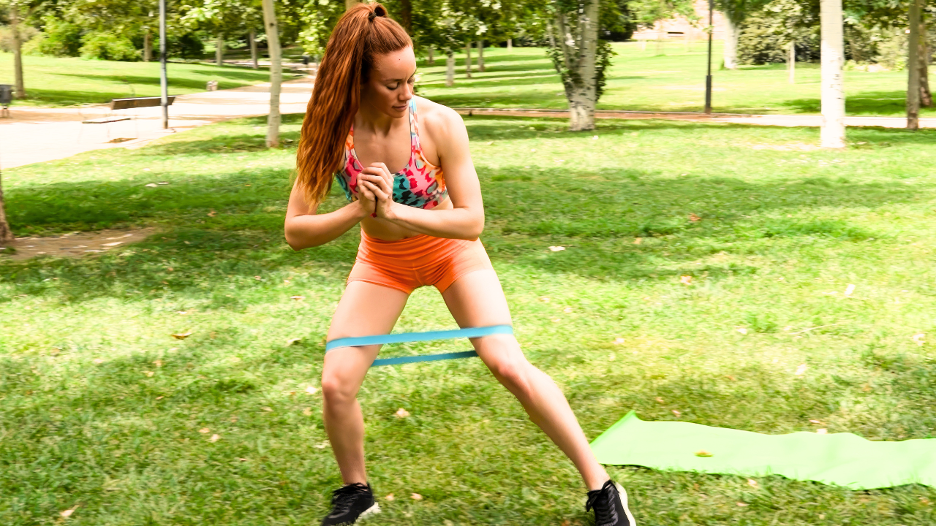
- Combined hip and knee strengthening. Exercises like single-leg squats, step-downs, lunges, lateral band walks
- Higher rep training – 3 sets of 30 or more reps, three times per week, within pain tolerance
- Patellar taping (McConnell technique) to help with short-term pain relief and patellar tracking when combined with exercise
- Foot orthotics insoles and arch support can reduce pain in the knee and improve knee alignment and patellar tracking, especially if you overpronate
A meta-analysis found that therapeutic exercise for patellofemoral pain reduces activity-related pain by an average of 1.46 points on a 10-point scale and significantly improves function.
If Your Knee Clicks But Doesn't Hurt

For painless crepitus, the goal is prevention and reducing the risk of developing knee OA down the road.
The Lancet 2025 review on osteoarthritis emphasized that staying physically active matters more than the specific type of exercise. Even everyday walking is underestimated as a protective factor. The target is at least 150 minutes of moderate activity per week, but data from the Osteoarthritis Initiative shows fewer than 11% of people with knee OA actually reach this. Any increase from your current baseline helps.
Structured walking programs (such as the Walk With Ease program developed for people with arthritis) are a great starting point.
If you’re carrying extra weight, combining diet changes with regular exercise slows cartilage breakdown over time and reduces the compressive load on your knees significantly.
What About Other Treatments?
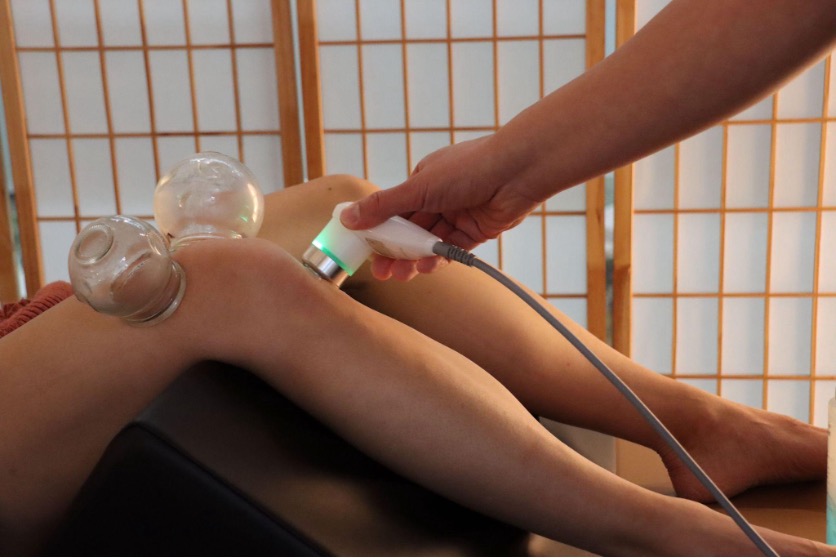
Your physiotherapist may also discuss and may adjunct therapies depending on your situation to reduce pain and improve function quickly. At Eastwest physiotherapy, our therapists will combine effective complementary therapies for your care, according to your comfort level
- Acupuncture therapy for knee pain. In our experience, Traditional Chinese medicine (TCM) acupuncture points are extremely effective for knee pain, OA and crepitus and often used for care. Acupuncture can help stimulate nerves to improve blood circulation to the muscles, joints and cartilage, as well as helping release endorphins for pain relief.
- Electroacupuncture. Using electrical current to enhance the effect of acupuncture, reducing pain and improving function. In a study from the Journal of Pain Research, this has shown to reduce cartilage degradation markers and increase anti-inflammatory markers after 8 weeks of treatment.
- Super Inductive System. Our Advanced Physiotherapy Modality uses high intensity electromagnetic field to stimulate cellular repair, improving mobility and function, while decreasing pain in a short period of time.
- Cupping therapy and Gua Sha (Scraping). These Eastern Medicine Techniques can help improve blood flow to tight musculature, relieve myofascial tension and break adhesions.
While the above therapy can speed up the recovery process, research consistently shows that exercise and physiotherapy outperform passive treatments for most people with knee pain.
Getting Started with Physiotherapy in Burnaby
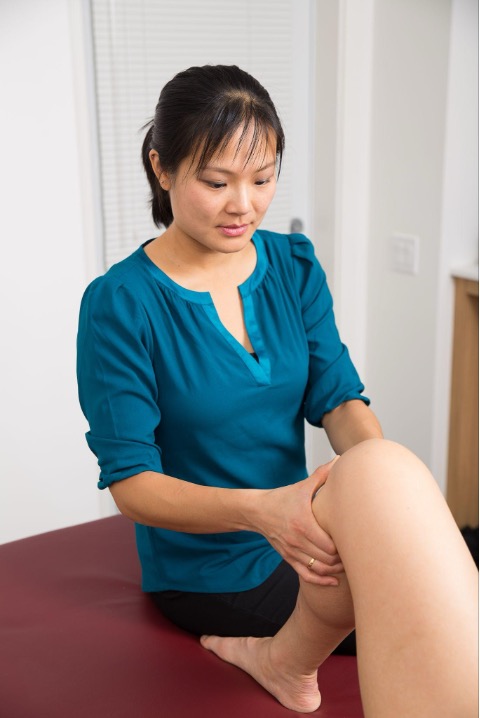
If your knees are clicking, grinding, or painful, a physiotherapy assessment is the smartest first step. Your physiotherapist will:
- Identify which part of the knee is involved
- Rule out serious structural pathology
- Build a targeted, progressive exercise program
- Use adjunct therapies that can help support and improve your knee health
- Educate you on load management and activity modification
- Track your progress and adjust the plan as you improve
The research is clear: the best exercise program is the one you’ll actually stick with. Our job as physiotherapists is to help you find that program and keep you motivated to follow through.
If you’re dealing with knee clicking, pain, or stiffness in Burnaby or the surrounding area, reach out to our clinic to book an assessment. Early intervention makes a big difference, both for your comfort now and your joint health long term.
About the author:
Mike Wong, MScPT (University of Alberta), BHK (Exercise Science) (UBC) is a Physiotherapist in Burnaby, BC and specializes in Orthopedic Physiotherapy, Acupuncture, Dry Needling and has a special interest in traditional Eastern Medicine treatment techniques.
Content based on current clinical research including publications from JAMA (2021, 2023), BMJ (2025), New England Journal of Medicine (2021), The Lancet (2025), Arthritis Care & Research (2018), and guidelines from the ACR, AAOS, and OARSI.