
Burnaby Physio & Massage Therapy
Frozen Shoulder Treatment

Treatments
Frozen Shoulder Treatment in Burnaby - EastWest Physiotherapy
If you’re waking up at night because of shoulder pain, struggling to reach behind to grab your seatbelt, or feeling like your arm is slowly locking up, you may be experiencing frozen shoulders, one of the most frustrating and misunderstood conditions we treat at EastWest Physiotherapy in Burnaby. The good news is that with the right treatment at the right stage, the majority of people can recover fully. The key is knowing what your shoulder actually needs, and when.
At EastWest Physiotherapy, we don’t offer a one-size-fits-all approach. We combine evidence-based physiotherapy techniques with acupuncture to address frozen shoulders at every phase of recovery. This can reduce pain faster, restore movement sooner, and help you avoid the months of unnecessary suffering that come from untreated or mismanaged care. Other Advanced Physiotherapy Modalities such as the Super Inductive System may be used in addition to help further improve your symptoms and care.
What Is Frozen Shoulder (Adhesive Capsulitis)?
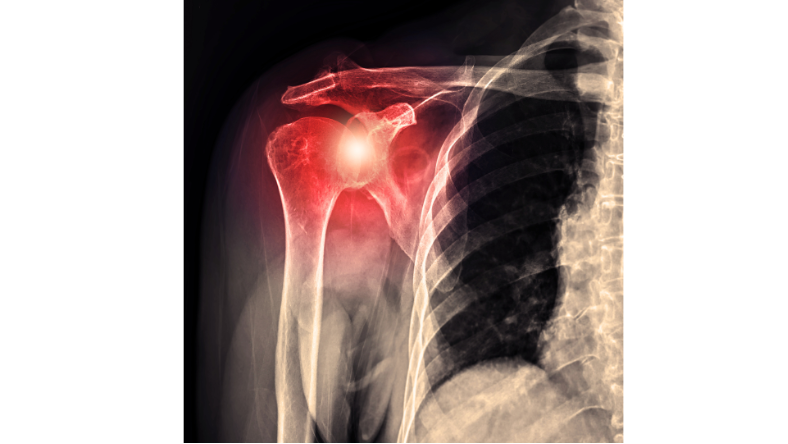
Frozen shoulder, medically known as adhesive capsulitis, is a condition where the capsule surrounding the shoulder joint becomes inflamed, thickened, and scarred. Over time, the joint capsule tightens and loses its flexibility, causing significant pain and loss of shoulder movement.
It commonly affects people between the ages of 40 and 60, with increased incidence in women and diabetics. It can develop after a period of reduced shoulder use, or following an injury, surgery, sleeping on it, or even just prolonged desk work.
One of the most important things to understand about frozen shoulder is that it progresses through three distinct stages, and the treatment that works best in one stage may not be appropriate in another. This is where many patients fall through the cracks. They may be receiving generic treatment that doesn’t match where they are in their recovery journey. For example, aggressively stretching the shoulder in the beginning stages of frozen shoulder can actually make the symptoms worse.
The 3 Stages of Frozen Shoulder - Why does this matter?
Understanding which stage you are in is the foundation of effective treatment. Here’s what each stage looks like and what’s happening inside your shoulder. Some overlap occurs between the stages and based on symptoms and presentation, this can guide therapy progressions.
Stage 1: The Freezing Stage (Painful Phase) - 2 to 9 Months
This is often the most painful stage, unfortunately. During the freezing stage, severe, diffuse shoulder pain dominates your symptoms. This is often described as a deep, aching sensation that worsens at night and prevents you from sleeping on the affected side, if you get to sleep well at all in any position. You may have already noticed a loss of shoulder range of motion, but at this point pain is the biggest issue.
What is happening: Inflammation in the joint capsule is at its peak. The lining of your shoulder joint (the synovium) becomes irritated and starts to thicken. Pain comes first; stiffness follows.
What works best: Our physiotherapy protocol during this stage focuses on pain management, gentle pendular exercises, and progressive mobilization techniques. Acupuncture and the use of the high intensity electromagnetic field therapy such as the Super Inductive System are powerful adjunct therapies that can be used to speed up the recovery process at this stage. Getting you out of this stage quickly is the priority.
Stage 2: The Frozen Stage (Stiff/Adhesive Phase) - 4 to 12 Months
As you move into the frozen stage, the intense pain of the early phase begins to settle. At this point, severe restriction of shoulder movement is the main focus. Both active and passive range of motion in the shoulder are equally limited. Reaching overhead, behind your back, or across your body becomes extremely difficult. You may feel pain only at end-range movements when the joint is pushed to its limits.
What's happening: Scar tissue (adhesions) has formed within the joint capsule, physically restricting movement. The capsule is contracted and tight.
What works best: Mobilization and stretching techniques become the focus during this stage. Research shows that joint manipulation provides greater benefits in the adhesive phase compared to the freezing phase.
At EastWest Physiotherapy, we progress your treatment to increasingly firm stretching and mobilization techniques as appropriate to your stage, working toward restoring the full arc of shoulder movement. Treatment techniques such as Acupuncture, Dry Needling/IMS and the Super Inductive System may be used in combination to push the recovery process quicker into the next stage.
Stage 3: The Thawing Stage (Recovery Phase) - 5 to 24 Months
In the thawing stage, movement gradually returns but the timeline is highly variable and may not always be complete. Approximately 40% of patients report persistent symptoms even 4 years after onset, which is why active treatment and rehabilitation during this phase is still important, even as things feel like they're improving.
What's happening: The inflammatory process has subsided. Scar tissue begins to soften and remodel. The joint capsule slowly regains flexibility. At this point, muscles around your shoulder joint and shoulder complex can still be tight and restrict normal shoulder movement.
Progressive physiotherapy with firm stretching exercises to restore range of motion as pain diminishes remains the cornerstone of thawing-stage management. The physiotherapy program progresses from gentle pendular exercises to firm, sustained stretches, timed to your stage. Conservative management is typically the right approach here, as natural history favors gradual improvement. Again, other treatment techniques mentioned previously would be excellent adjunct therapies to help speed up this process and improve shoulder function better.
How Acupuncture Accelerates Recovery at Every Stage
At EastWest Physiotherapy, our combination therapy approach sets us apart from many physiotherapy clinics. We may integrate Eastern Medicine techniques such as acupuncture alongside other physiotherapy techniques at every stage of frozen shoulder, not as an alternative, but as a powerful complement that evidence shows can speed up recovery significantly.
A notable study found that combining acupuncture with conservative therapy reduced recovery time to 14.9 weeks compared to 30.9 weeks for conservative therapy alone, more than cutting recovery time in half. A 2025 systematic review and network meta-analysis analyzing 84 randomized controlled trials with over 7,000 patients found that acupuncture-related therapies generally outperformed physical therapy and conventional Western medicine for overall effectiveness and shoulder function, with adverse events being infrequent and mild.
The Acupuncture Points We Use for Frozen Shoulder
- Jian Yu (LI15) - Located at the front of the shoulder near the acromion; the most frequently used local point for frozen shoulder.
- Jian Liao (TW14) - Located on the posterior shoulder; works alongside LI15 to address the full shoulder capsule.
- Tiaokou (ST38) - A powerful distal point on the lower leg used in Traditional Chinese Medicine specifically for frozen shoulder. A meta-analysis of 19 randomized controlled trials involving 1,944 participants found that acupuncture at ST38 improved clinical effectiveness, Constant-Murley shoulder scores, and reduced pain scores.
- Fengchi (GB20), Hegu (LI4), Yanglingquan (GB34) - Supporting points used to manage referred pain, tension, and overall recovery.
Electroacupuncture: A Step Further
Acupuncture by Stage
In the Freezing Stage: Acupuncture is used alongside physiotherapy to reduce inflammation, calm the nervous system’s pain response, and help you sleep, one of the most debilitating aspects of early frozen shoulders. It reduces reliance on pain medication and makes physiotherapy more tolerable.
In the Frozen Stage: Acupuncture targets both pain at end-range and the neuromuscular tension that limits movement. When combined with hands-on joint mobilization, it helps the tissue respond better to stretching and manual therapy.
In the Thawing Stage: Acupuncture supports tissue remodeling, reduces residual pain and stiffness, and helps restore full movement more completely. For patients with diabetes, who are more likely to have treatment-resistant frozen shoulder, acupuncture is particularly valuable because it avoids the metabolic complications associated with repeated corticosteroid injections.
What if I am afraid of Needles? Is there another alternative?
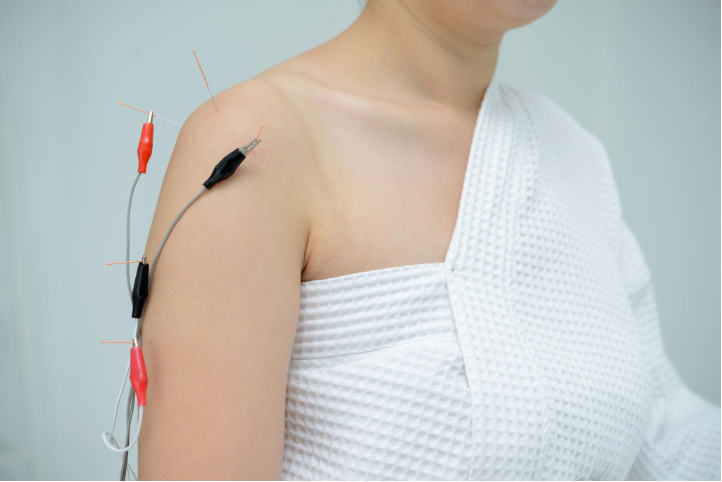
Absolutely. We can place electrode pads on specific acupuncture points, preset on acupuncture-like settings, to simulate acupuncture without the use of needles. This has also shown to be an effective treatment approach and be helpful for frozen shoulder conditions.
Why Choose EastWest Physiotherapy for Frozen Shoulder in Burnaby?
- Stage-matched treatment protocols guided by the latest clinical research
- Combination physiotherapy and acupuncture for faster pain relief and mobility restoration
- Electroacupuncture available for enhanced outcomes
- Advance Physiotherapy Modality Available - Super Inductive System
- Specialized care for patients with diabetes and treatment-resistant frozen shoulder
- Clear, honest communication about your stage, your timeline, and what to expect
Frequently Asked Questions (FAQ) – Sciatica Treatment in Burnaby
How can Physiotherapy help with frozen shoulders?
At EastWest Physiotherapy Burnaby, treatment is tailored to wherever you are in your recovery. That usually means a mix of:
- Hands-on manual therapy to work on joint mobility directly
- Guided stretching and mobility work that’s appropriate for your current stage
- Progressive strengthening once movement starts to return
- Pain-relief techniques like electrotherapy, acupuncture, or IMS
- Advanced technology like the Super Inductive System (SIS) for deeper tissue treatment
Is frozen shoulder permanent?
For most people, no frozen shoulder does eventually resolve. That said, recovery without treatment tends to be slow and incomplete. Getting proper care early on makes a real difference in how fully and how quickly you get back to normal, and helps prevent lingering stiffness or weakness down the road.
Should I exercise a frozen shoulder?
Yes, but the type of exercise matters a lot. Gentle, guided mobility work tends to help but pushing through pain or forcing movement can set you back. A physiotherapist will look at what stage you’re in and give you exercises that actually match where your shoulder is at and what is appropriate.
Can Frozen shoulder heal on its own?
It can, but the reality is that self-resolution often takes one to three years, and many people don’t fully regain their original range of motion even after that. Physiotherapy helps speed things up and improves the end result. Most patients who pursue treatment get further, faster.
What treatments are most effective for frozen shoulders?
The research supports a combined approach rather than any single treatment. Evidence-based options include manual therapy, stretching and mobility programs, progressive strengthening, acupuncture or IMS for pain relief, electrotherapy (such as TENS or ultrasound), and the Super Inductive System (SIS) for stimulating deeper tissues. Using several of these together generally gets better results than relying on one alone.
When should I see a Physiotherapist for shoulder stiffness?
It’s worth booking an assessment if your shoulder pain has been around for more than two or three weeks, if you’ve noticed a gradual loss of movement, or if everyday activities such as reaching overhead, getting dressed, sleeping comfortably starts to feel difficult. The earlier you come in, the more options we have and the faster you’re likely to recover.
Is frozen shoulder the same as rotator cuff injury?
They’re different conditions. Frozen shoulder involves tightening and thickening of the joint capsule itself, while rotator cuff injuries affect the muscles and tendons that surround the shoulder joint. They can occur at the same time, which is part of why a proper assessment matters and effective treatment needs to target what’s actually going on.
Do I need Xray or any imaging for frozen shoulder?
Usually not. Frozen shoulder is typically diagnosed through a physical assessment. The pattern of gradual stiffness and loss of both active and passive movement is quite distinctive. Imaging may be ordered if there’s reason to rule out something else, but for most people it isn’t a necessary first step before starting treatment.
Book Your Frozen Shoulder Assessment in Burnaby
If you’re dealing with shoulder pain or stiffness, whether it just started or has been going on for months, book an assessment at EastWest Physiotherapy Burnaby today. We’ll identify exactly which stage you’re in and create a personalized treatment plan that combines physiotherapy and acupuncture to get you moving again faster.