
Acupuncture Treatment in Burnaby for Thumb Arthritis Relief
What is Thumb Arthritis?

- Pain and tenderness at the base of the thumb:
- Swelling and/or stiffness around the thumb:
- Weak grip and reduced strength:
- Enlarged or bony joint appearance:
These symptoms can make simple activities challenging and frustrating (such as buttoning a shirt, writing, or using a doorknob). Thumb arthritis is often a form of osteoarthritis (wear-and-tear arthritis) that develops with age, previous injuries and/or from repetitive use.
It’s especially common in women over 40 and those with a history of thumb injury. Fortunately, there are various effective treatments that can help manage the pain and steadily improve hand function.
Medications (when required), use of splints and braces, various physiotherapy modalities (Electrotherapy, Super Inductive System, Ultrasound), manual therapy and therapeutic exercises can be useful in relieving symptoms and improving function.
In addition, many of our clients are exploring acupuncture as an effective complementary treatment for thumb arthritis.
What Is Acupuncture?
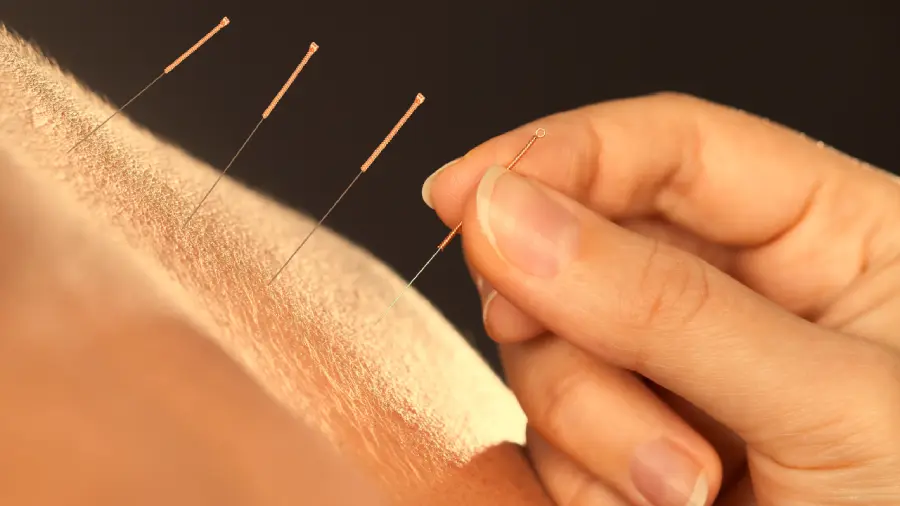
Acupuncture is a proven and effective form of therapy in Traditional Chinese Medicine (TCM) and has been practiced for thousands of years. Acupuncture therapy involves inserting fine, sterile needles into specific points (usually on nerves and sometimes muscles) on the body to promote healing and relieve pain.
According to TCM, the body has an energy flow called “qi” that moves along channels of energy called meridians. When the flow of qi is blocked or unbalanced, it can result in pain or illness in the body.
By stimulating specific acupuncture points in the body, this can restore the free flow of qi, helping the body optimally heal and recover from injuries.
From a Western medicine perspective, acupuncture’s effects can be explained by physiological changes in the body – that can be measured. Research suggests that inserting needles triggers the nervous system to release natural pain-relieving chemicals.
For example, acupuncture can spur the production of endorphins (the body’s feel-good painkillers) as well as stimulating the brain (activating various regions for pain relief, relaxation, sensory and motor functions).
Simply, Acupuncture can work by changing the pain signals in the body: a needle’s stimulus can affect nerve pathways and tell the brain to turn down the experience of pain. It also increases blood circulation and relaxes muscles and joints in the treated area..
This combination of traditional wisdom and scientific mechanisms is why acupuncture has gained mainstream acceptance as a complementary therapy for pain relief. At EastWest Physiotherapy, we undoubtedly have seen exceptional benefits in our clients who have tried acupuncture treatment.
Acupuncture is used by certified practitioners (such as licensed acupuncturists or physiotherapists with acupuncture training). The needles are extremely thin and smooth (can be 0.15mm to 0.30mm in diameter), and much thinner than a typical injection needle.
Typical sensations of the acupuncture needle can feel like a pinch, dull ache, heaviness, and in some cases you may not feel much at all (depending on the diameter of the needle and also the practitioner’s technique).
How Acupuncture May Help Thumb Arthritis
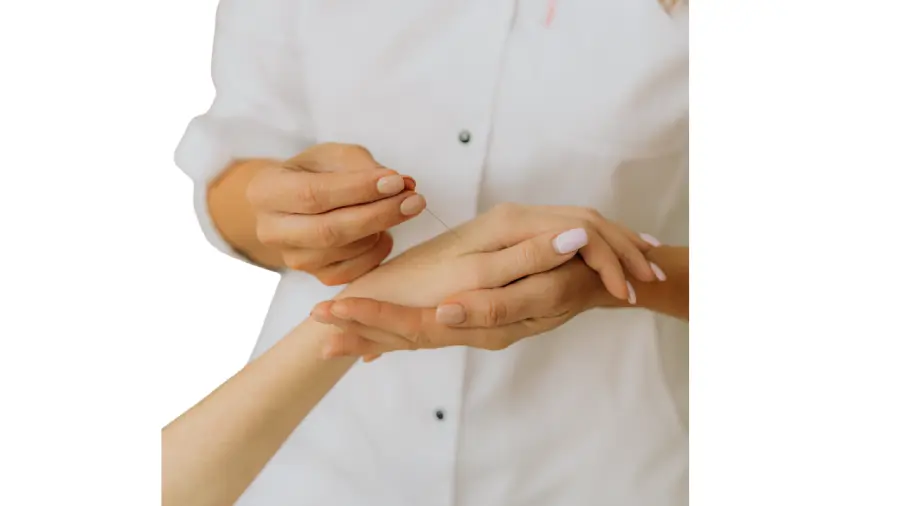
When it comes to thumb arthritis, the main goals of treatment are to reduce pain, inflammation, improve joint movement, and help you regain the ability to perform activities of daily living.
Acupuncture can help with:
- Pain Relief:
Acupuncture is known for its effective pain-relieving effects. The needles stimulate nerve points and encourage the release of endorphins and enkephalins, which can reduce the sensation of pain.
Many of our patients report that acupuncture sessions leave their thumb and hand feeling less sore and achy post treatment. Research has shown that acupuncture can provide pain relief comparable to standard arthritis treatments for the thumb joint, minus all the side effects from medications.
- Reduced Inflammation:
If your thumb joint is swollen or warm, acupuncture may help reduce some of these symptoms.. The tiny needle pricks trigger the release of cortisol and other anti-inflammatory factors in your body.
Cortisol is a hormone that fights inflammation, so boosting it naturally can help decrease swelling in an arthritic joint. By reducing inflammation, acupuncture can help improve your thumb’s range of motion.
- Muscle Relaxation and Improved Joint Function:
Sometimes the muscles around an arthritic joint tense up (due to pain, compensation of movement due to pain. Acupuncture can help relax tight muscles and reduce muscle spasms or tension.
By easing muscle tension in the muscles of your fingers, thumbs and/or forearm, the thumb joint can move more freely. Some clients report they have a better grip strength and improved hand function after regular acupuncture sessions.
- Holistic Stress Relief and Healing:
Living with chronic thumb pain can be stressful. Many patients describe feeling calm and relaxed during and after treatment, and will often sleep better as their pain is reduced. This stress relief can indirectly help with arthritis because stress can worsen pain perception.
A relaxed state may also promote healing as your body isn’t in “fight-or-flight” mode, or a heightened state of the sympathetic nervous system.. Acupuncture, as part of holistic physiotherapy treatment, tends to improve overall well-being, which can make it easier to cope with a chronic condition like arthritis.
It’s important to note that acupuncture can complement standard Physiotherapy treatments extremely well. This means it’s often used alongside other treatments (like physiotherapy exercises, electrotherapy, manual therapy, splinting, or medications as needed) rather than completely replacing them.
For thumb arthritis, you might use a thumb brace or do hand exercises and receive acupuncture for the best results. Acupuncture can be one piece of your treatment plan that focuses specifically on pain and inflammation relief in a natural, drug-free way.
Safety and Side-Effects:
Importantly, acupuncture has a good safety record when performed by a trained professional. The risks are extremely low – and these may include minor bruising or temporary soreness at needle sites, and these are far outweighed by the potential pain relief for most people.
No significant long-term side effects are associated with acupuncture, unlike some medications used for arthritis. This makes it an attractive option for people who cannot take certain pain relievers or who prefer a more natural approach.
Common Acupuncture Points used for Thumb Arthritis
These points are commonly used in Acupuncture in our Physiotherapy practice. They have also been shown in scientific studies to be effective in the treatment of various thumb and wrist disorders.
Large Intestine 4 - LI4 (Hegu):
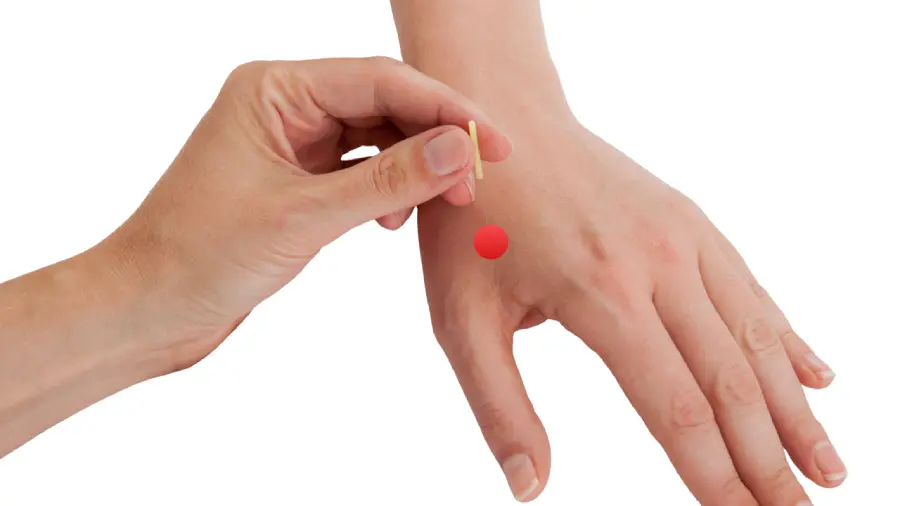
A well-known analgesic point located on the back of the hand, between the index finger and the thumb. This point is found at the highest fleshy point when you bring the thumb and index finger together.
Large intestine 4 is a key acupuncture point for not only thumb pain, but also for headaches, wrist pain, elbow and shoulder pain. This point also helps to boost the immune system and improve digestion.
LI5 - Yangxi (Large Intestine 5):
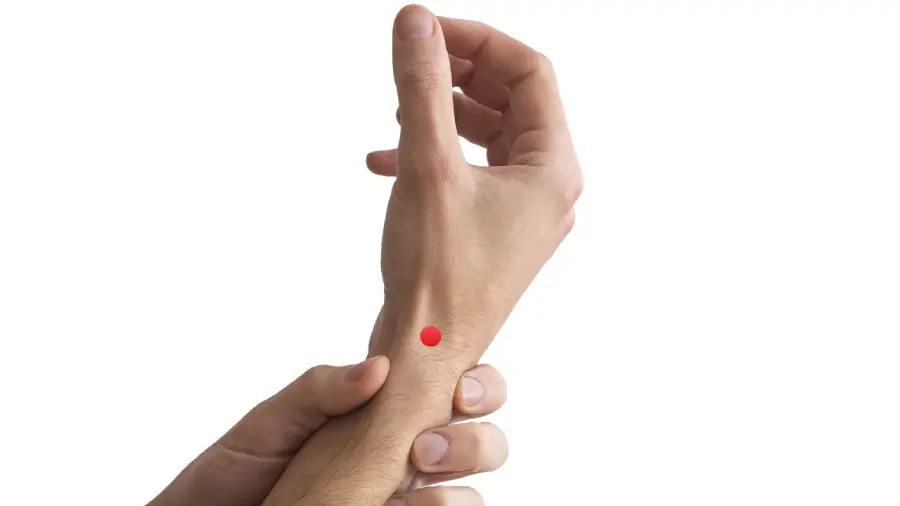
This point is located on the anatomical snuffbox, seen in the back of the hand, in the depression near the base of the thumb when the thumb is extended. This point is used in both Traditional Chinese Medicine and Western approaches for thumb CMC joint pain.
Notably, a recent case-series on carpometacarpal (CMC) OA used a needle insertion in the snuffbox (targeting the trapeziometacarpal joint capsule and radial nerve) as one of the acupuncture points.
LU7 - Lieque (Lung 7):
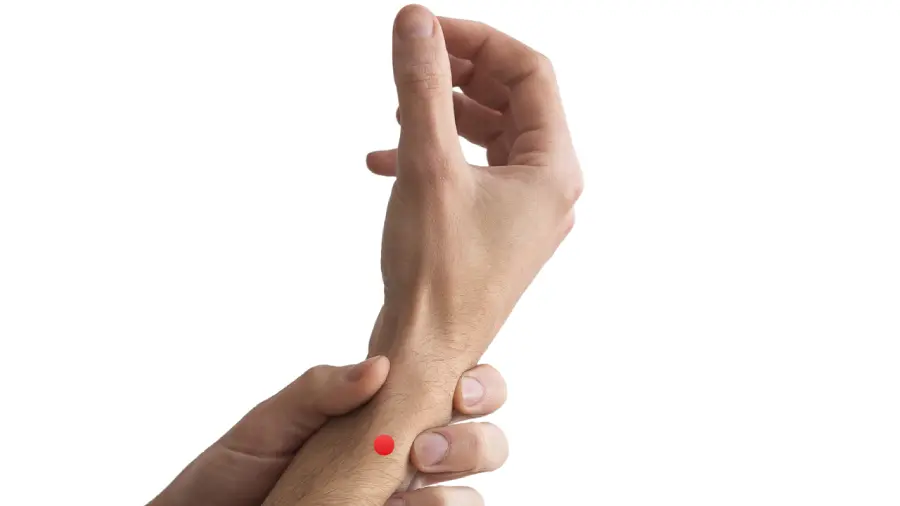
A distal point on the thumb side of the forearm, about 1.5 inches above the wrist crease. This point can also be excellent for relieving coughs, headaches and neck pain, as well as treating colds and lung issues.
Curious how to try these points yourself? Check out our YouTube video where we show you step-by-step how to use acupressure for natural pain relief at home, completely needle-free!
Frequently Asked Questions
What do you expect in your Physiotherapy Session?
If you decide to seek treatment for your thumb arthritis and pain at EastWest Physiotherapy Burnaby, the first step would be a comprehensive assessment from our Physiotherapists.
We will look at your thumb’s function (range of motion, strength, etc), discuss your symptoms, and determine if acupuncture is appropriate for you (along with other physiotherapy treatment techniques).
What do you expect to feel with Acupuncture?
During an acupuncture session, you’ll be comfortably seated or lying down. Your Physiotherapist will insert a few thin needles in the targeted areas as tolerated. You’ll rest with the needles in place for about 10-15 minutes.
Most people would feel only mild sensations during acupuncture, like a dull ache, heaviness or warmth, and often feel relaxed afterward.
How many sessions are needed?
Is there homework for me to do at home?

At EastWest Physiotherapy Burnaby, we recognize that the best treatment results often come from blending time-tested traditional therapies with modern medical knowledge.
Schedule your appointment today with our Physiotherapists today and optimize your recovery.