
Trigger Finger Treatment in Burnaby: How the Super Inductive System (SIS) Can Help
Trigger finger can turn everyday tasks into a painful challenge. If you’re experiencing finger locking or pain and searching for trigger finger treatment in Burnaby,there’s a cutting-edge physiotherapy technology called the Super Inductive System (SIS) that is now available at EastWest Physiotherapy.
What Is Trigger Finger?

Trigger finger (stenosing tenosynovitis) is a condition that makes one of your fingers (can be your thumb as well) catch or lock in a bent position. It’s called a “trigger” finger because when the finger finally straightens, it often snaps suddenly, like a trigger being released. This happens due to a problem in the tendon that bends your finger.
Trigger finger can affect anyone but is more likely if you are between 40 and 60 years old, or if you have certain health issues (like diabetes or rheumatoid arthritis) that make tendons prone to being inflamed. Activities with repetitive hand use – such as gardening, typing, or using vibrational tools – can also put extra strain on tendons of the fingers.
How Is Trigger Finger Treated?
Some common trigger finger treatment approaches:
- Rest and Splinting: Often the first step is to rest the finger and avoid activities that irritate it. A doctor or therapist may recommend wearing a splint to keep your finger straight, especially at night. This gives the swollen tendon some time to heal and not be aggravated.
- Exercises and Stretching: Gentle exercises can help maintain mobility. For example, a physiotherapist might teach you finger stretches or tendon-gliding exercises to reduce stiffness and improve movement. These exercises keep the tendon moving and can prevent it from stiffening and catching as much. Exercises that help with this without irritating the condition are best.
- Heat or cold therapy might be used to decrease pain and swelling. Cold is great to help reduce swelling and inflammation. Hot therapy is appropriate to place on an area to help improve blood circulation. Depending on your situation and your stage of recovery, our Physiotherapists will be able to make the appropriate recommendations.
- Medications or Injections: For more severe or persistent cases, a doctor might suggest an anti-inflammatory medication or a corticosteroid injection into the tendon sheath. The injection can dramatically reduce swelling and allow the tendon to move freely again. However, injections may only provide temporary relief, and not everyone wants a steroid shot if it can be avoided.
- Surgery: A minor surgery called trigger finger release can be done. The surgeon will make a tiny cut in the pulley (tendon sheath) to widen it, so the tendon no longer gets stuck. Surgery is generally effective, but like any surgery, it comes with some recovery time and small risks. That’s why people often try conservative treatments (like physiotherapy) first.
Introducing the Super Inductive System (SIS) in Physiotherapy

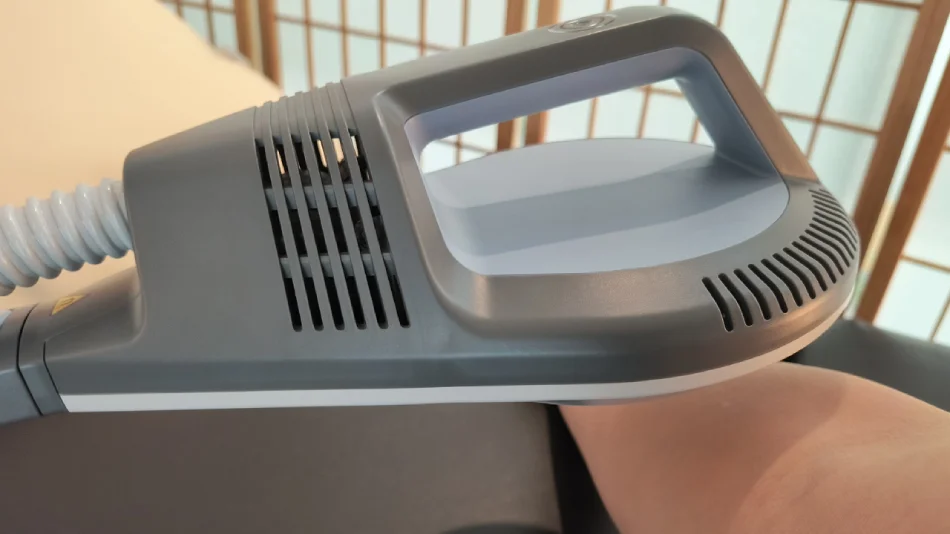
The Super Inductive System (SIS) is an innovative therapy that uses a high intensity electromagnetic field to stimulate healing in the body. Essentially, the SIS machine has an applicator that you place near the injured area (for example, your finger or hand) and it emits pulsating electromagnetic waves. You won’t see or feel electrical shocks – instead, you may feel a gentle vibration or your muscles lightly contracting during the treatment.
The therapy is painless and non-invasive, meaning it doesn’t hurt and nothing needs to pierce your skin.
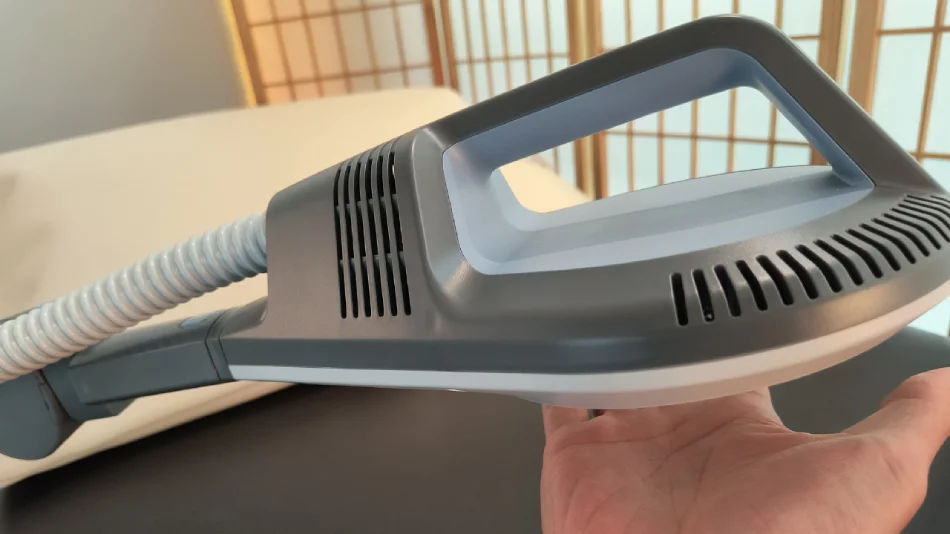
The electromagnetic pulses from SIS penetrate into your muscles, tendons, and joints, triggering biological responses. They can activate nerves and muscles, improve blood circulation, break down early scarring and reduce inflammation in the tissues. The SIS device produces a high-intensity field (up to 2.5 Tesla, which is a strong magnetic field similar to an MRI machine) that can reach deep into the body. By adjusting the frequency and intensity, physiotherapists can target different effects. For example, some settings focus on pain relief, while others aim at muscle contraction or relaxation to improve mobility.
SIS therapy is versatile. It has been used in sports medicine, orthopedics, and rehabilitation to help with many conditions involving pain or injury. Sessions are usually short (about 10 to 20 minutes) and the patient simply sits or lies comfortably while the SIS applicator is positioned near the problem area. The applicator doesn’t even need to touch your skin; it can be placed just a small distance away. Many patients appreciate that SIS treatment is simple, comfortable, and gentle while still being effective. Most people find that they feel an immediate difference after the treatment – pain reduction, relaxed and/or improved function.
How Super Inductive SystemTherapy Works for Trigger Finger
Now, why is the Super Inductive System helpful for a condition like trigger finger? Trigger finger involves a combination of pain, inflammation, and a movement restriction in a finger. SIS therapy can address these issues on multiple fronts:
- Pain Relief: The electromagnetic waves from SIS can provide fast pain relief by influencing the nerves that send pain signals. In fact, SIS therapy often leads to immediate pain reduction, even after the first few sessions.. Clinical studies noted that up to 87% of patients reported improvement in their pain and health after using SIS. This means if your finger is aching or sore, SIS could help it feel better quicker, without the need for pain medication.
- Reducing Inflammation: Trigger finger’s core problem is an inflamed tendon sheath. SIS helps to reduce inflammation and swelling in tissues by improving blood flow and metabolism in the cells. Think of it as giving the injured area’s healing process a gentle push forward. As the swelling goes down, the tendon can glide more easily, which lessens the “catching” or locking of your finger.
- Muscle Relaxation: Sometimes, the muscles in your hand or forearm can become tense due to the pain and changed mechanics of a trigger finger. SIS has a muscle relaxation effect (also called myorelaxation). This eases muscle tension around the finger and hand. When muscles relax, they stop pulling so hard on the tendons, which can further relieve pain and improve finger mobility.
- Improving Mobility and Joint Movement: The Super Inductive System can also assist with joint mobilization. For a stiff finger, this means helping the finger joint move more freely. The SIS-induced muscle contractions gently move the joint, which can help break up adhesions or tightness. Over a couple of sessions, patients often notice their fingers can bend and straighten more smoothly.
- Promoting Healing: Beyond just pain relief, SIS is known to be a metabolic activator – it accelerates tissue repair. The improved circulation brings more oxygen and nutrients to the damaged tendon area. SIS can also stimulate the cells involved in healing. This means quicker recovery times for injuries. In cases of trigger finger, it may help the irritated tendon sheath heal faster, especially when combined with the right exercises and rest.
Benefits of SIS for Trigger Finger
To highlight why using the Super Inductive System is beneficial, here’s a quick list of key benefits of SIS therapy for trigger finger patients:
- Versatile and Complementary: SIS doesn’t conflict with other treatments – it actually compliments them. You can safely do SIS therapy alongside exercises, splinting, or other physiotherapy techniques. The sessions are short and fit easily into a treatment plan.
- High Patient Comfort: During SIS therapy, you simply relax in a chair or on a treatment table. There’s no pain during the procedure, just a slight buzzing sensation or twitching of muscles. For anyone who is nervous about needling or hands-on manipulations, SIS offers a comfortable alternative.
EastWest Physiotherapy in Burnaby: Expert Care for Trigger Finger
EastWest Physiotherapy is a physiotherapy clinic in Burnaby that prides itself on blending Eastern and Western healing techniques. If you’re looking for help for your hand and finger conditions like trigger fingers, EastWest Physiotherapy’s clinic in Burnaby has you covered. They offer a range of treatments to help reduce your pain and improve your movement, tailored to your specific needs.
At EastWest Physiotherapy, you’ll find Registered Physiotherapists who can use traditional Western therapies alongside Eastern practices. For example, their team might combine manual therapy and exercise programs with techniques such as acupuncture or cupping therapy to address your condition holistically. This mixed approach is great for trigger finger because it can tackle both the symptom relief and the underlying causes. Here are some of the services and techniques relevant to treating trigger finger that EastWest Physiotherapy offers:
Manual Therapy and Massage:
The physiotherapists provide hands-on treatments to gently mobilize your finger and reduce tension in the hand. This might include specific stretches for the finger or massage of the palm and forearm muscles. Releasing tight spots and improving circulation with manual therapy helps the tendon move more freely (very important for a trigger finger).
Therapeutic Exercises:
EastWest will guide you through exercises to strengthen and stretch your hand and forearm. Building strength in the supporting muscles of your fingers can reduce the strain on the affected tendon. They will also show you stretching exercises to maintain flexibility in the finger. The clinic’s therapists educate you on how to do these exercises correctly at home, so you continue to improve between appointments.
Eastern Techniques (Acupuncture, Cupping, Gua Sha):
What sets EastWest apart is that they can incorporate Eastern healing methods if appropriate. For instance, acupuncture might be used to relieve pain and stimulate healing in the area of your trigger finger. Cupping therapy or Gua Sha (a scraping technique) on the forearm could help release muscle tightness and improve blood flow. These techniques have roots in traditional medicine and can complement physiotherapy exercises well.
Electrotherapy and IMS:
In addition to SIS, EastWest also offers other electrotherapy modalities. This could include ultrasound therapy or TENS (a mild electrical stimulation) to reduce pain. They also provide IMS (Intramuscular Stimulation), which is a dry needling technique similar to acupuncture, useful for releasing muscle knots. If your trigger finger is partly aggravated by tight forearm muscles or trigger points, IMS could be beneficial.
Taping and Splinting:
The clinic can supply or apply special tape or splints to support your finger. For example, they might tape your finger in a way that limits its movement just enough to prevent painful locking while still allowing some use. Or they might recommend a splint to wear at night so you don’t wake up with a stuck finger. This kind of support protects the tendon as it heals and is a common part of trigger finger care.
When you visit EastWest Physiotherapy in Burnaby for trigger finger treatment, you’ll receive a thorough assessment. The physiotherapist will explain why your finger might be triggering (locking) and then create a personalized plan. Because they have extensive tools at their disposal – from exercise programs to high-tech SIS therapy – they can choose the best combination for you. The goal is not only to get rid of your current pain and locking, but also to prevent the problem from coming back. They will give you ergonomic advice, like how to handle objects or take breaks from repetitive tasks, to avoid re-injury in the future.
Finding Relief for Trigger Finger in Burnaby
Dealing with a painful, locking finger can be frustrating, but you don’t have to go through it alone. With advances in physiotherapy like the Super Inductive System, trigger finger treatment is more effective and comfortable than ever.
If you’re struggling with a trigger finger, consider reaching out to EastWest Physiotherapy Burnaby for an assessment. Our Burnaby physiotherapy team will explain your condition in simple terms, answer any questions, and start a treatment plan tailored to you – whether that includes SIS physiotherapy, targeted exercises, or other healing techniques. With the right care, most people experience significant improvement: less pain, smoother finger movement, and a return to the everyday activities they love.