
Why Your Persistent Neck and Shoulder Pain Keeps Coming Back — And What You Can Do About It
Do you have neck and shoulder pain that just won’t go away? Maybe it eases for a few days, but always returns — especially after sitting at your desk, driving, or using your phone. This is called persistent neck and shoulder pain, and it’s one of the most common reasons people come to physiotherapy.
The good news? You can fix it — once you know what’s causing it.
What Causes Persistent Neck and Shoulder Pain?
1. Poor Posture and Tech Neck
One of the biggest causes of chronic neck and shoulder pain is poor posture, especially while using screens. Looking down at a phone or slouching at a computer pulls your head forward and rounds your shoulders. Over time, this leads to tech neck — a condition that puts extra stress on your spine and muscles.

2. Muscle Imbalance
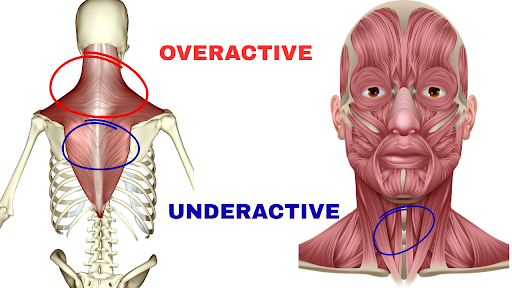
3. Stress and Muscle Tension
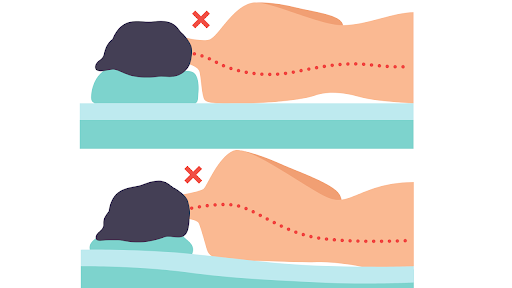
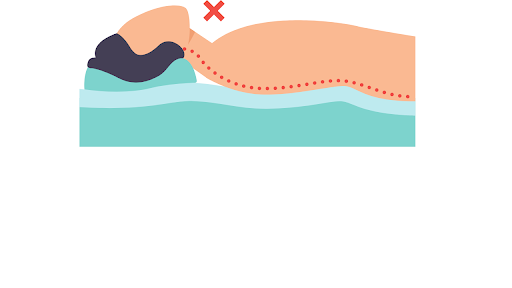
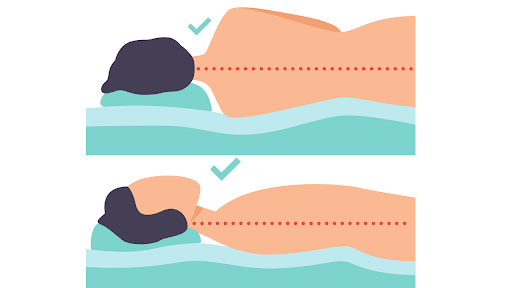
4. Sleeping in Poor Positions
5. Lack of Movement
How to Relieve Persistent Neck and Shoulder Pain
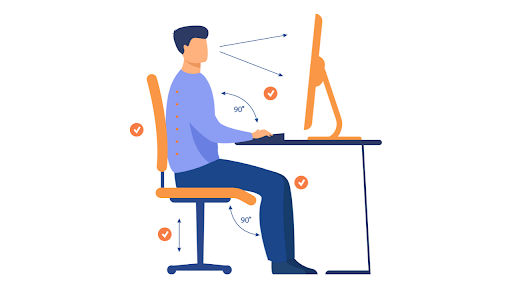
1. Correct Your Posture at Work and Home
- Keep screens at eye level
- Use a chair with back support
- Relax your shoulders and keep elbows close to your sides
2. Add Regular Movement Breaks
- Shoulder rolls
- Neck stretches
- Chin tucks
- Arm circles
3. Strengthen the Right Muscles
Chin Tucks: Gently pull your chin backward as if making a double chin. Hold for 3 seconds. Do 10 reps, 3 sets.

Wall Angels: Stand against a wall with arms in a goalpost shape. Slowly raise and lower your arms. Do 10 reps, 3 sets.
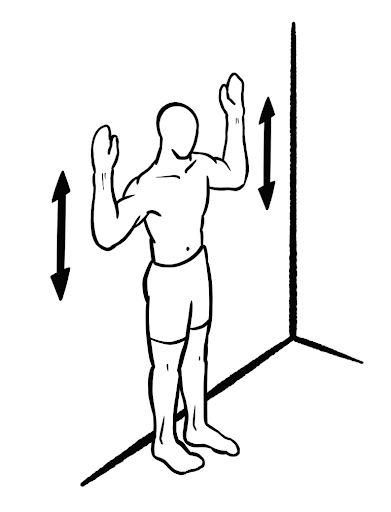
These exercises help correct imbalances that lead to chronic neck and shoulder pain.
4. Practice Diaphragmatic Box Breathing
- One hand on your chest, one on your belly
- Take 4 seconds to inhale through your nose and feel your belly rise.
- Hold the breath for 4 seconds
- Take 4 seconds to exhale slowly through your mouth slowly
Watch this video for a quick guide to diaphragmatic breathing: Click here.
5. See a Physiotherapist
Persistent pain often needs professional help. A physiotherapist can:
- Identify the root cause of your pain
- Provide hands-on treatment
- Design a plan with posture corrections, exercises, and pain relief techniques
- Help prevent the pain from returning
When to See a Physiotherapist for Persistent Neck and Shoulder Pain
- Your pain lasts longer than 2–3 weeks
- Pain returns frequently
- You experience stiffness, tingling, or headaches
- You’ve tried stretches or massages without lasting relief
Final Thoughts
Persistent neck and shoulder pain can feel frustrating, but you don’t have to live with it. Once you understand what’s behind it — and treat the cause, not just the symptoms — you can get real, lasting relief.