
Travelling on a plane? Can Compression Stockings help prevent blood clots?
Excited for your next travel adventure on the other side of the world? If you’ve ever been concerned about blood clots on long flights, you are not alone. At EastWest Physiotherapy in Burnaby, we often get questions from our patients about how to keep their legs healthy and prevent blood clots during their long flights. (or DVTs (Deep Vein Thrombosis))
We will tackle these common questions:
- Why long flights can increase the risk of blood clots
- What deep vein thrombosis (DVT) is, and why it can be a concern
- How compression stockings work and how they may be helpful for you
- What type of stockings are best for air travel
- Exercises and other tips to prevent DVTs on long flights
What Is a Blood Clot (aka Deep Vein Thrombosis or DVT)?
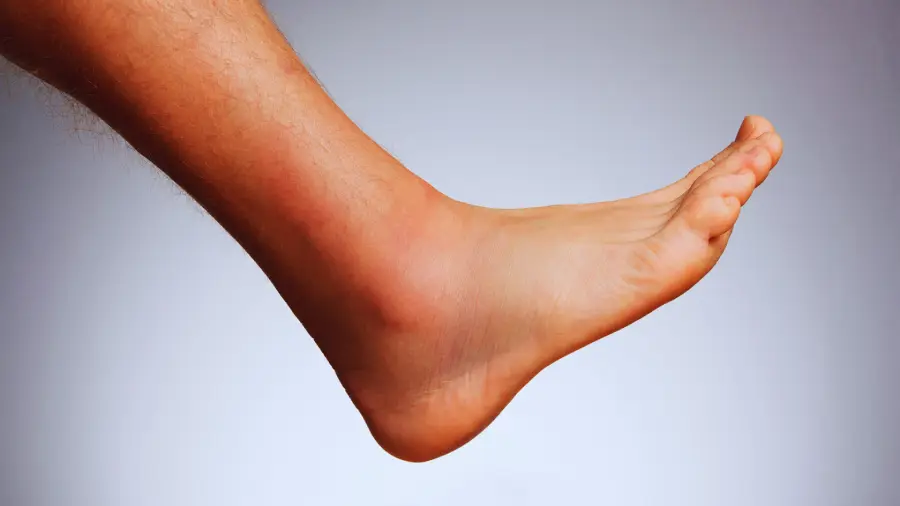
A deep vein thrombosis (DVT) is a partial or total blockage of the deep veins due to a blood clot that forms in the legs. While small clots sometimes dissolve on their own, larger ones can cause problems in the leg and can affect other parts of the body. The biggest danger is if part of the clot breaks loose and travels to the lungs, it can cause a pulmonary embolism (blood clot in lungs). This can block and stop blood flowing in the artery to the lungs and can be a life threatening situation.
You may feel some of these symptoms with DVT
- Swelling in one leg
- Pain, tenderness or cramping in the calf or thigh
- Increasing temperature over the calf region
- Discoloration of the skin over the affected area
- Heavy, tired feeling in the leg
Long Flights Can Increase DVT Risk
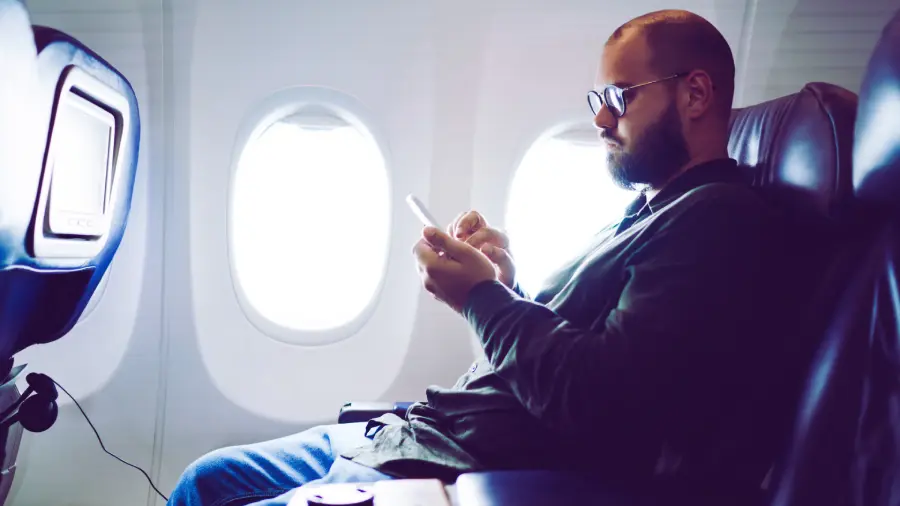
When you are sitting for hours on the plane with minimal lower body movement, blood flow in the legs slows down. Less movement in your legs increases your risk of clot formation. Sitting with prolonged knees bent makes the veins work harder to push your blood back up against gravity.
Combined with cramped seats, dehydration, lower oxygen levels, lower cabin pressure, salty snacks (causes more swelling and fluid retention), as well as some pre-existing medical conditions can all add to the risk.
Most healthy travelers have a very low risk of DVT when traveling on a long flight (more than 4 hours). But this risk increases if you have any of these conditions:
- Age over 60
- History of DVT or family history of clots
- Obesity
- Recent surgery or injury
- Cancer or certain medical conditions
- Pregnancy
- Hormone therapy or birth control pills
- Smoker
- Heart disease
- Active malignancy (cancers)
- Persons of reduced mobility
How do Compression Stockings work?

Compression stockings are special socks that apply graduated pressure that is strongest at the ankle, and lighter as they go up the calf. Combined with muscle contractions (movement of the legs), this gentle squeeze helps improve blood circulation back to the heart, reduce swelling in the legs and ankles and prevent blood from pooling in the veins.
They are different from regular tight socks. Medical-grade stockings are designed based on research to give the right amount of pressure in the right places. Compression stockings can also help relieve swelling in the legs as you may often experience in longer flights.
What to look for in Compression socks?
Graduated Compression
Compression Level
Length
Proper Fit
Research into Compression Stockings and DVT
- In people taking long flights, stockings reduced the risk of silent (no symptoms) DVT from about 10-30 cases per 1,000 passengers down to 2-3 per 1,000.
- Stockings also decreased swelling and leg discomfort after a flight.
- While most studies didn’t track life-threatening clots, researchers believe preventing small clots also decreases the risk of bigger problems later.
Other Ways to Prevent Blood Clots While Flying
- Move often: Get up to stretch or walk the aisle every 1-2 hours when you are awake, especially if you are sitting still. Unless you are sitting in Business or First Class, then you can lie down flat and not worry too much about this!
- Exercise your calves: Flex and point your toes, or circle your ankles while seated.
- Stay hydrated: Drink water, and limit your alcohol and caffeine intake as it can dehydrate you.
- Choose an aisle seat: Makes it easier to get up and move around, but no nice views unfortunately.
- Wear loose clothing: Tight waistbands or belts can reduce circulation.
Our Advice from EastWest Physiotherapy
We believe prevention is always better than treatment. I hope you do too. Whether you’re flying for work or going on a dream vacation, keeping your circulation flowing effectively is essential.
Our Therapists can:
- Help you understand your personal risk of DVT
- Guide you in choosing the right compression stockings
- Teach you exercises you can do on the plane
- Treat muscular and joint stiffness to ensure you have optimal mobility
- Use Acupuncture, Electrotherapy and Super Inductive system to optimize blood circulation and cellular health
- Support you with our various physiotherapy modalities if you have leg swelling, vein issues, or previous clot complications
We combine Western medical knowledge with Eastern holistic techniques to give you a well-rounded plan for healthy travel.
Flying doesn’t have to mean worrying about blood clots. With the right steps, especially wearing compression stockings, you can keep your legs safe and healthy.
If you’re planning a trip and want advice tailored to your health, book an appointment with us at EastWest Physiotherapy Burnaby. We’re here to help you travel confidently and arrive ready and safely to enjoy your destination.